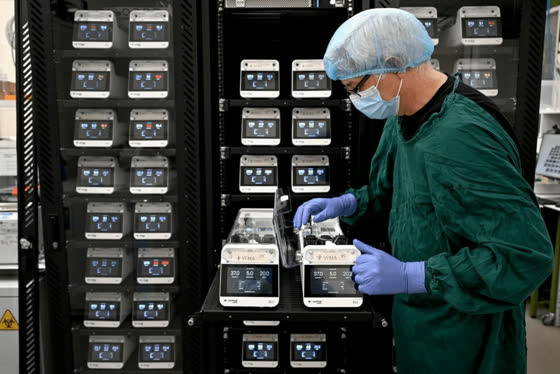
Brain Cube: A 3-gram Chinese brain-computer interface that sits under your hair. What will this miniaturization change?
The Chinese Brain Cube brain-computer interface weighs just 3 grams, attaches under the hair, measures brain activity, and offers potential for neurogaming and health monitoring.

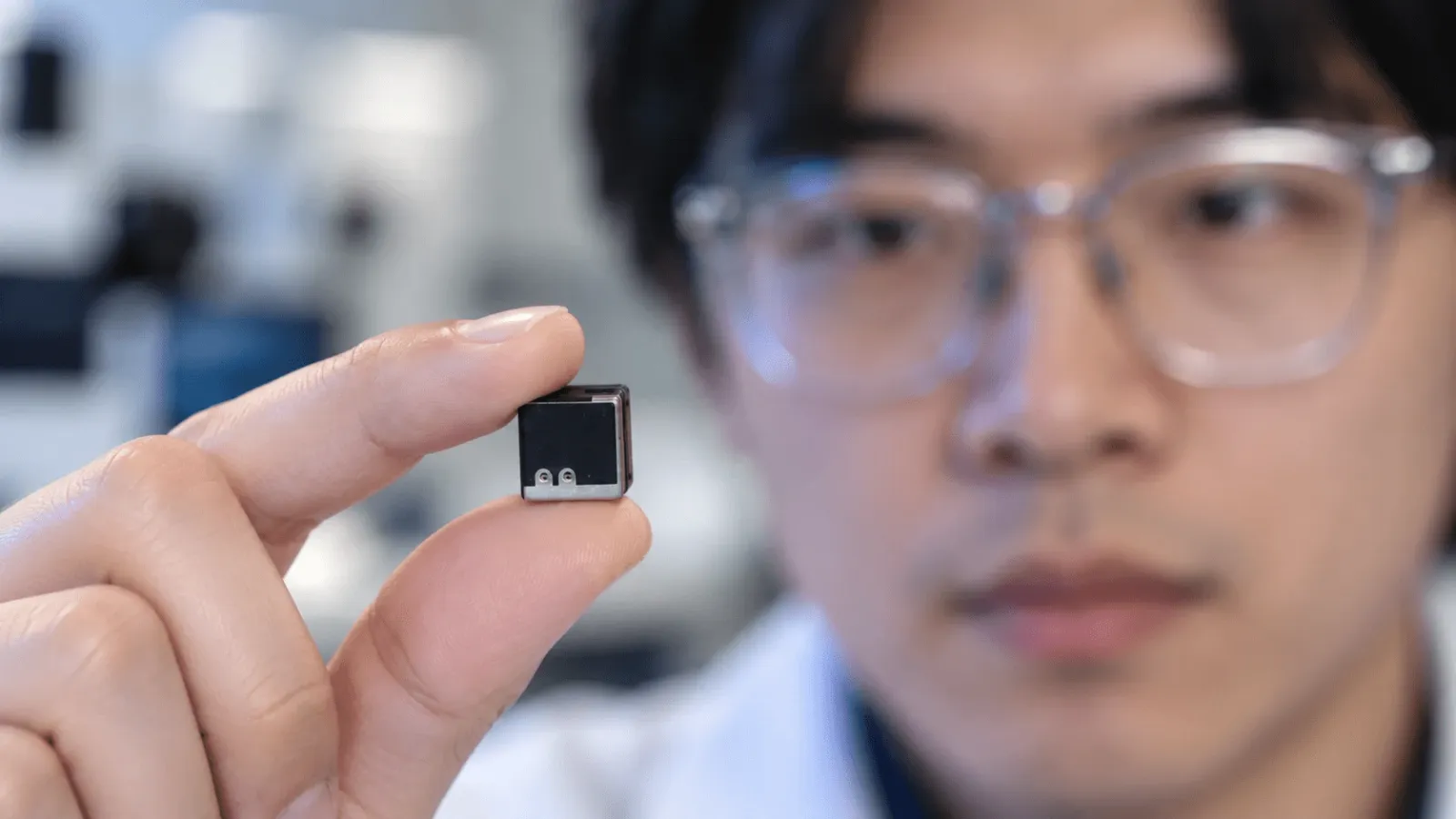
Chinese researchers have created a non-invasive brain-computer interface weighing only 3 grams. The device, roughly 2 cubic centimeters in size, attaches to the head under the hair and can operate for up to 10 hours.
The project was developed by specialists from Tianjin University and Shengong Diting. The developers claim a sampling rate of up to 1000 Hz and wireless data transmission.
Why does size matter?
Most EEG systems still require bulky equipment. For example, the Muse S weighs about 41 grams and is a full-fledged wearable head device.
Brain Cube is several times lighter and practically invisible to the user.
This opens up a different use case. The brain-computer interface can be worn for hours without being perceived as separate hardware.
What can it measure?
The device records electrical brain activity via EEG.
Potential application scenarios include sleep research, attention monitoring, studying cognitive load, neurogaming, and other tasks that require long-term brain signal collection.
Tianjin University also reports developing solutions for monitoring the condition of workers in high-safety-requirement professions.
The main problem remains unsolved
EEG is extremely sensitive to interference. Measurements are affected by head movement, facial muscles, blinking, and the quality of electrode-to-skin contact.
Therefore, the 3-gram weight and 1000 Hz frequency are not the only important factors for evaluating the device.
Data is needed on the signal-to-noise ratio, the number of channels, contact stability, recognition accuracy, and performance during movement.
Why does this matter for the market?
If such devices can operate reliably outside of a lab, brain-computer interfaces could move into the category of everyday wearables.
The next step is obvious: integrating EEG into headphones, glasses, helmets, gaming peripherals, and other electronics.
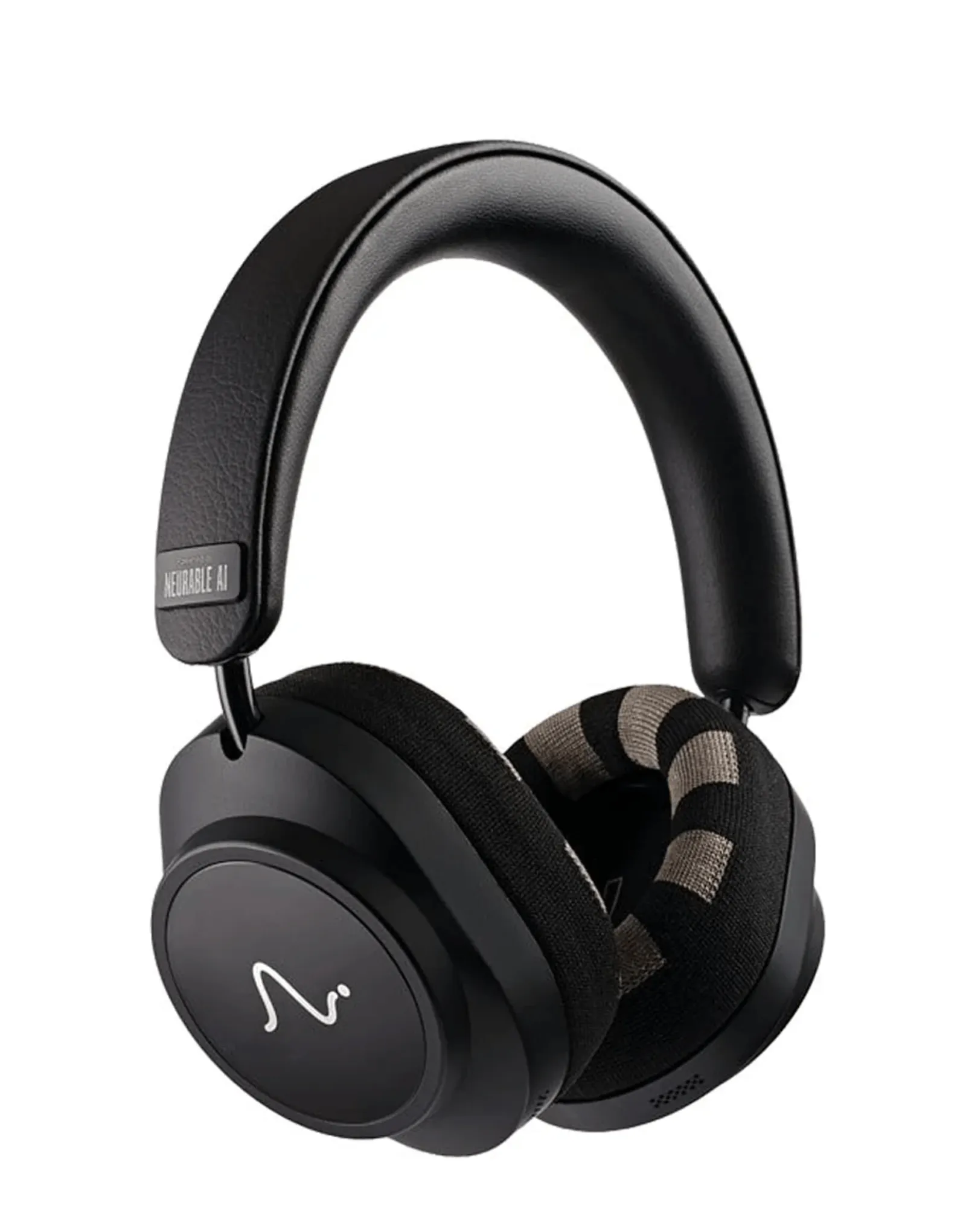
Neurable is already releasing headphones with built-in EEG sensors. This shows the market direction. Users don't necessarily need to buy a separate brain-computer interface; neurosensing could simply become a feature of the devices they already use.
The best is yet to come!
Today, a brain-computer interface must be worn intentionally; in the future, it could become virtually imperceptible.
That is exactly why 3 grams matters more than it seems. This isn't just about shrinking the casing. It is a shift from laboratory equipment to a permanent personal device.
But one major question remains before it hits the mass market: how well can such a tiny sensor capture high-quality brain signals in real-world conditions?
If you are interested in AI, technology, and the future—welcome to my channel to discuss and share updates.
Translated from Russian. Original on vc.ru: Brain Cube: китайский нейроинтерфейс весит 3 грамма и крепится под волосами. Что изменит миниатюрность?