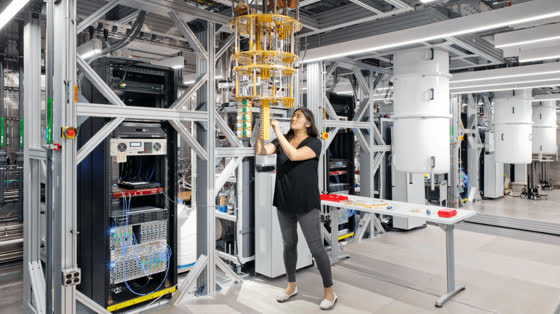
Google has solved the impossible "magic square" mathematical problem: the Willow quantum processor has surpassed the classical limit.
Google's Willow quantum computer achieved 98.3% in a magic square game, bypassing classical limits—a study on quantum contextuality.

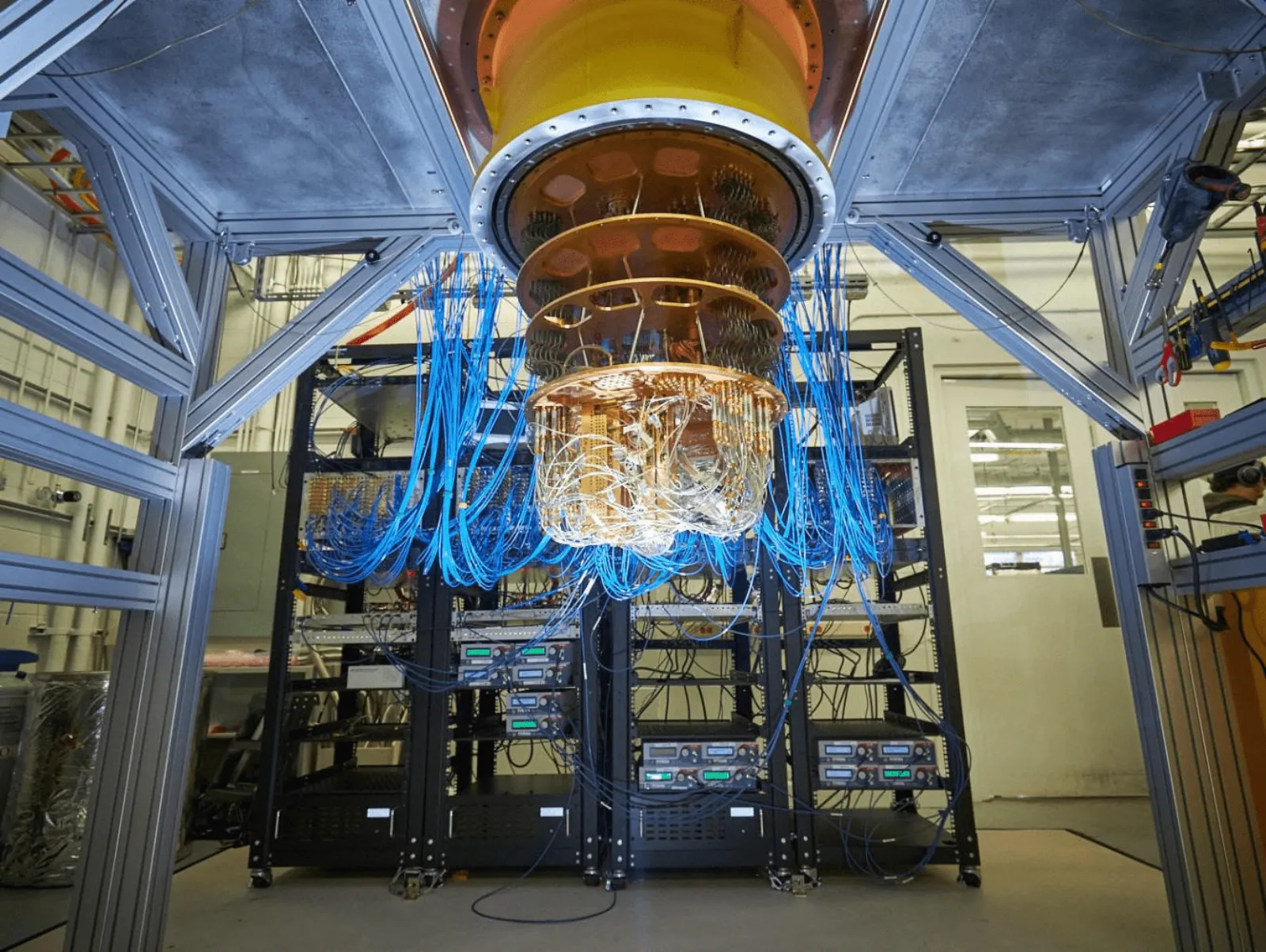
Willow mastered a mathematical game where classical strategies can win at most 88.9% of the time. The quantum computer achieved an accuracy of 98.3%. The study's results, published on November 19, 2026, in the journal Science, help explain the origin of the computational advantage in quantum systems.
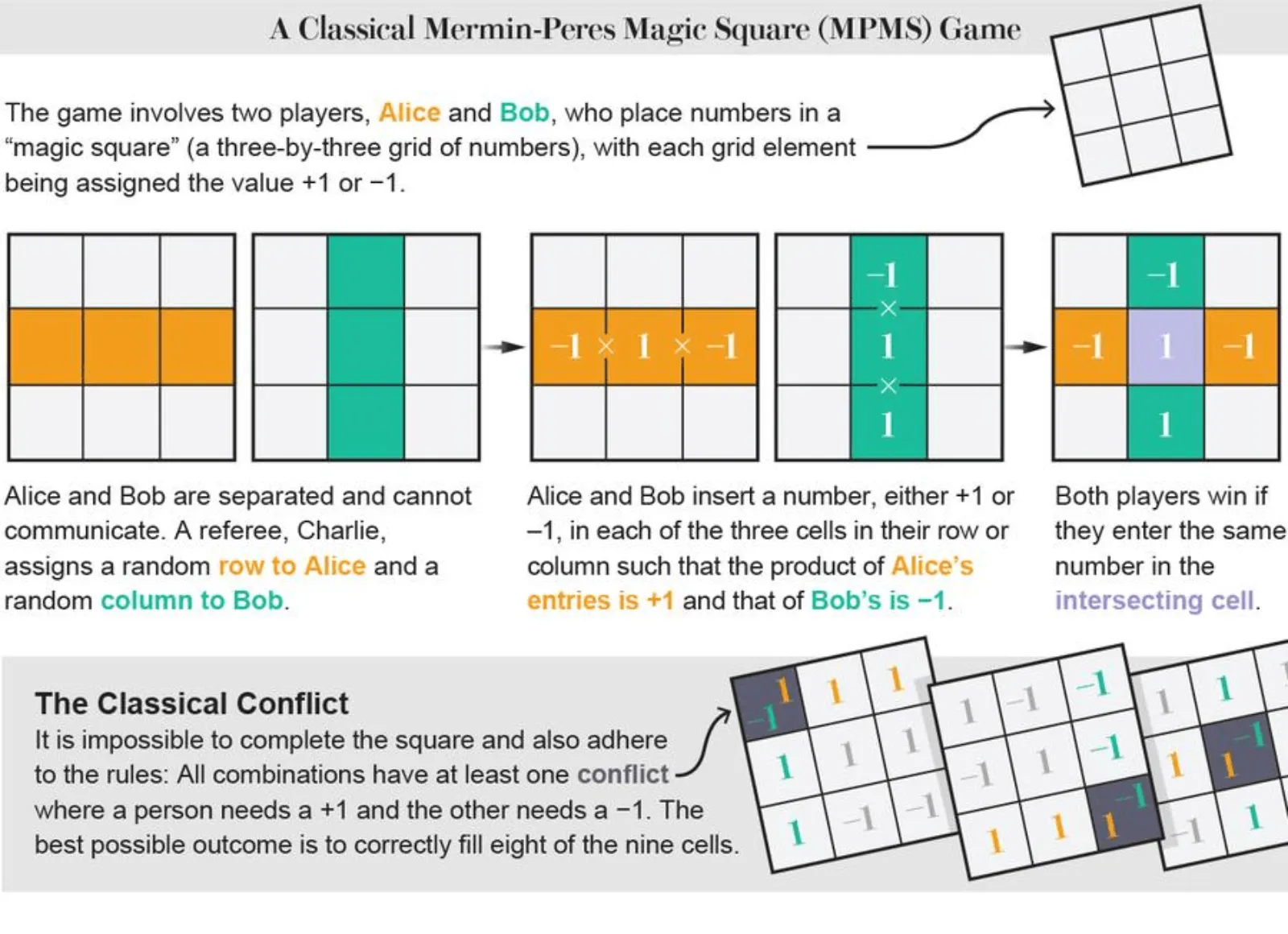
At the heart of the experiment lies a mathematical problem known as the "magic square." The goal is to fill a 3 × 3 grid with +1 and −1 such that the product of numbers in each row equals +1, while the product in each column equals −1.
At first glance, the task seems simple. However, it has no solution: the conditions require the number of negative values in the grid to be simultaneously even and odd. This is mathematically impossible.
Google researchers turned this paradox into a two-player game between Alice and Bob. Each player receives part of the grid, cannot communicate with the other, and must follow specific rules. Using a pre-agreed classical strategy, the maximum win probability is 8 out of 9, or 88.9%.
But quantum mechanics allows for bypassing this limitation without actually creating the impossible grid.
How did the quantum computer bypass the mathematical limit?
Scientists used four qubits from the Willow processor, prepared as two pairs of quantum-entangled qubits. Thanks to quantum correlations, the players can coordinate their measurement results more effectively than pre-determined classical answers allow.
Google conducted 900,000 trials. As a result, the quantum system won in 98.3% of cases, significantly exceeding the classical limit.
The secret lies in quantum contextuality. This property means that measurement results cannot always be represented as pre-existing values that are independent of which other compatible measurements are performed simultaneously.
Thus, the processor did not find a solution to the mathematically impossible grid. Instead, it demonstrated a physical way to win a specially constructed game with a probability unattainable by classical strategies under the same constraints.
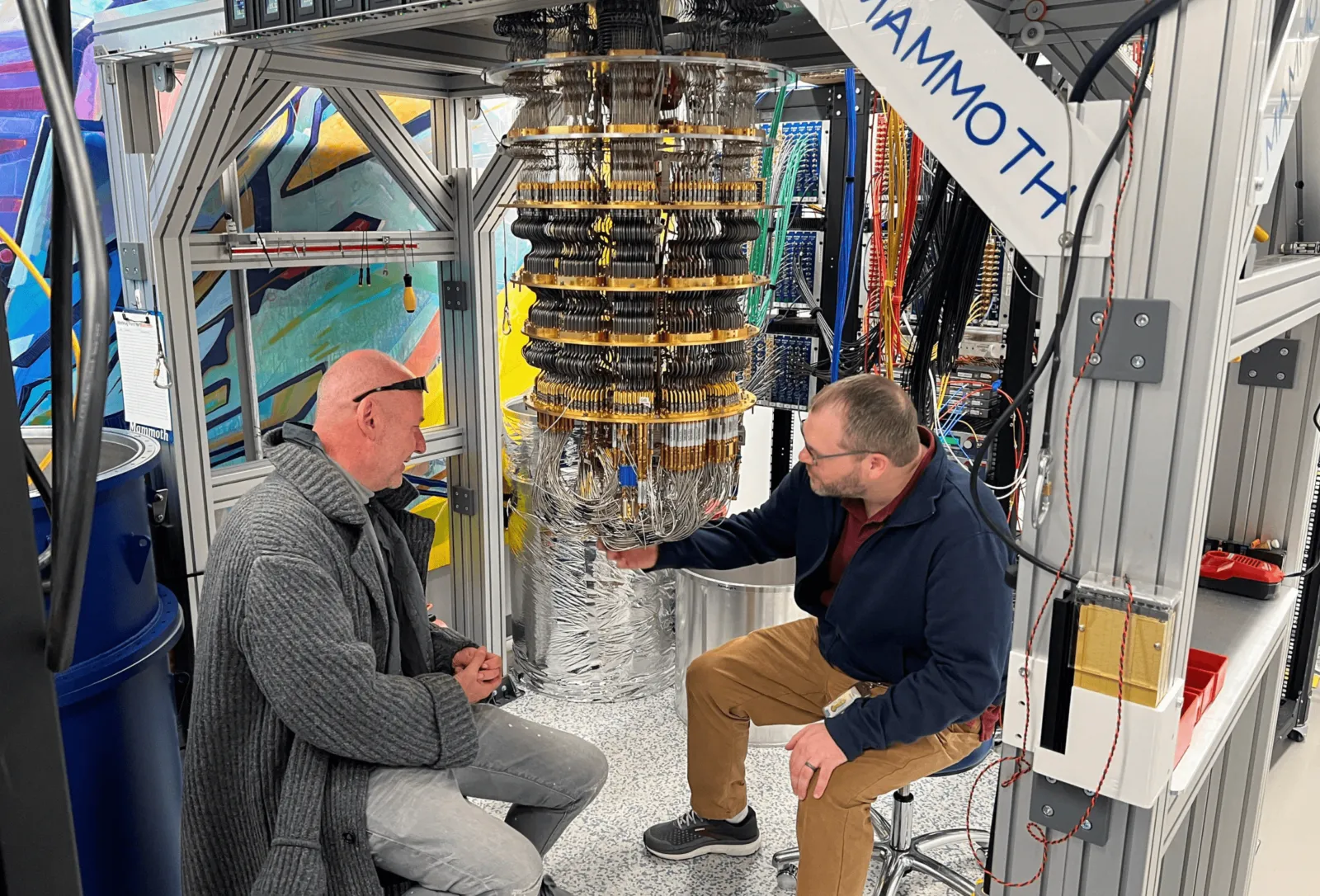
The experiment was scaled up to 105 qubits
The researchers did not stop at a single game. They conducted additional tests to see if quantum effects persist as the system size increases.
One experiment utilized 71 qubits, while another reached 105 qubits. The latter task required finding binary sequences that satisfy specific mathematical constraints. At the largest scale, the processor succeeded approximately 60% of the time.
Google also separately measured the degree of quantum contextuality. Classical models with pre-determined outcomes are limited to a value of 4, whereas quantum theory allows for a maximum of 6. Willow demonstrated a result of 5.590 with an error margin of 0.008.
This confirms that the quantum effect under study can be observed and quantified on real-world hardware.
If you are interested in AI, technology, and the future—welcome to my channel to discuss and share updates.
Translated from Russian. Original on vc.ru: Google решила невозможную математическую задачу «магический квадрат»: квантовый процессор Willow превзошёл классический предел.