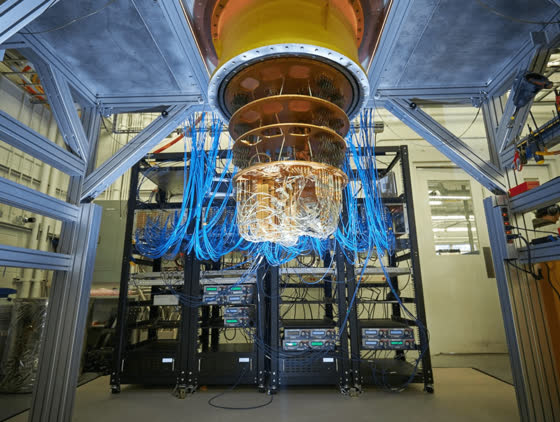
Singaporean scientists have created an atomic clock accurate to within 1 second every 260 billion years
Atomic clocks from the National University of Singapore, accuracy of 1 second per 260 billion years, lutetium ion, optical measurements, gravity

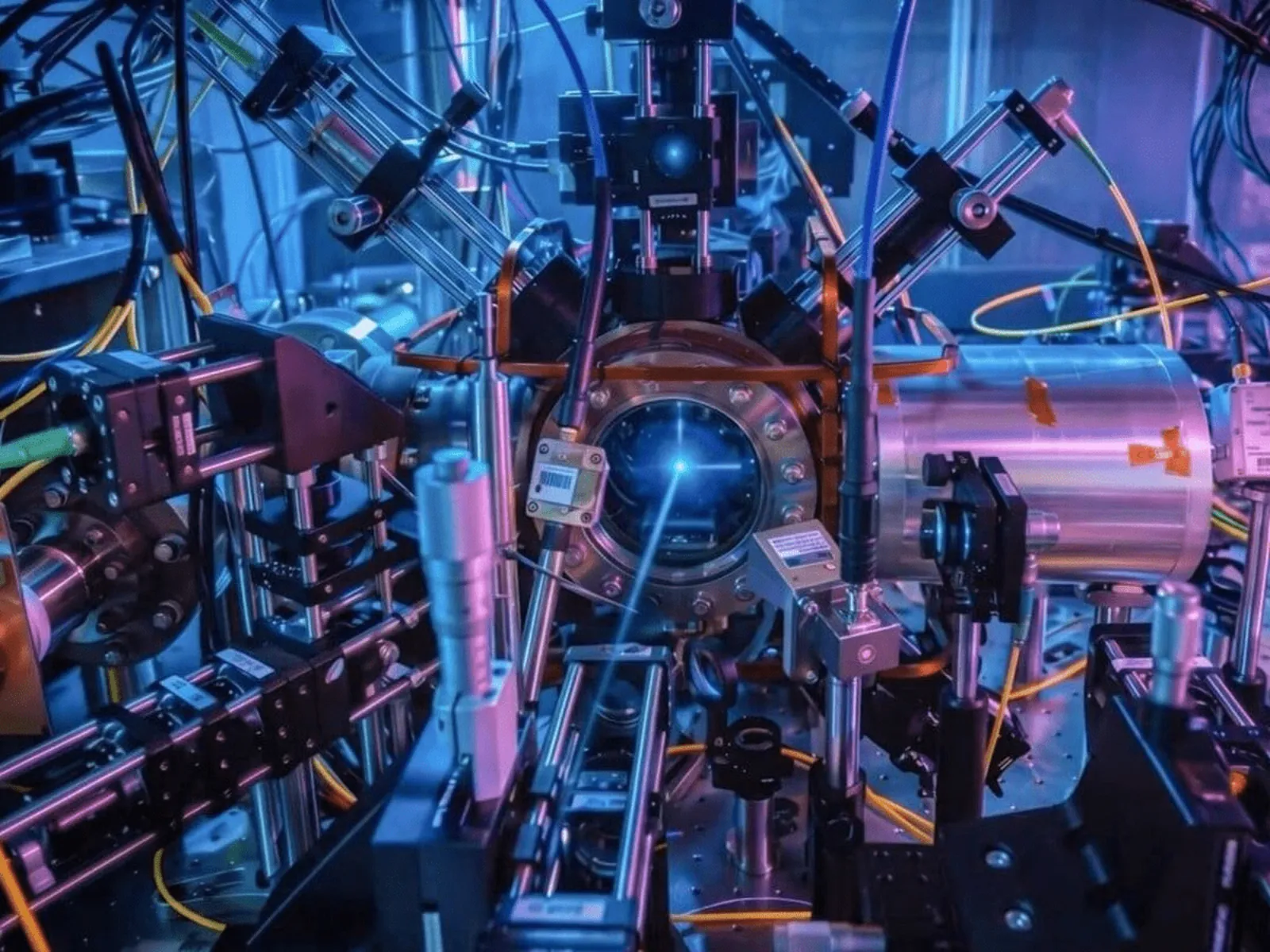
Researchers at the National University of Singapore have developed an atomic clock using a single lutetium ion with a relative uncertainty of 1 × 10⁻¹⁹. In more familiar terms, this means a drift of approximately one second every 260 billion years.
Why is this a record?
At the core of the device is a single lutetium ion held in a specialized trap. A laser monitors the frequency of a specific electronic transition between the atom's energy states. This frequency serves as an extremely stable time standard.
Lutetium proved particularly ideal due to this specific transition's low sensitivity to external interference. This allows for a reduction in errors caused by temperature fluctuations and magnetic fields, which typically limit the precision of other atomic clocks.
Why do we need such precise clocks?
This level of precision is needed primarily for scientific measurements rather than everyday use. Optical atomic clocks can detect incredibly minute changes in time caused by gravity. According to the theory of relativity, clocks at different altitudes tick at slightly different rates.
This enables the use of atomic clocks for ultra-precise geodesy, studying Earth's gravitational field, and fundamental physics. Such systems are also being considered as the foundation for future generations of navigation and global synchronization systems.
What's next?
The main challenge now is not precision, but practicality. Modern optical clocks remain complex laboratory setups. Researchers aim to shrink their size and make the system portable without a significant loss in performance.
This development is also crucial for the future definition of the second. The international scientific community is considering a transition from the current cesium standard to an optical definition of the second. A decision is not expected before 2030.
The 260-billion-year record, therefore, is important for more than just the impressive figure. It demonstrates how precise an artificial time standard can already be today and how close this technology has come to a new generation of measurement standards.
If you are interested in AI, technology, and the future—welcome to my channel to discuss and share updates.
Translated from Russian. Original on vc.ru: Сингапурские ученые создали атомные часы с точностью 1 секунда за 260 миллиардов лет